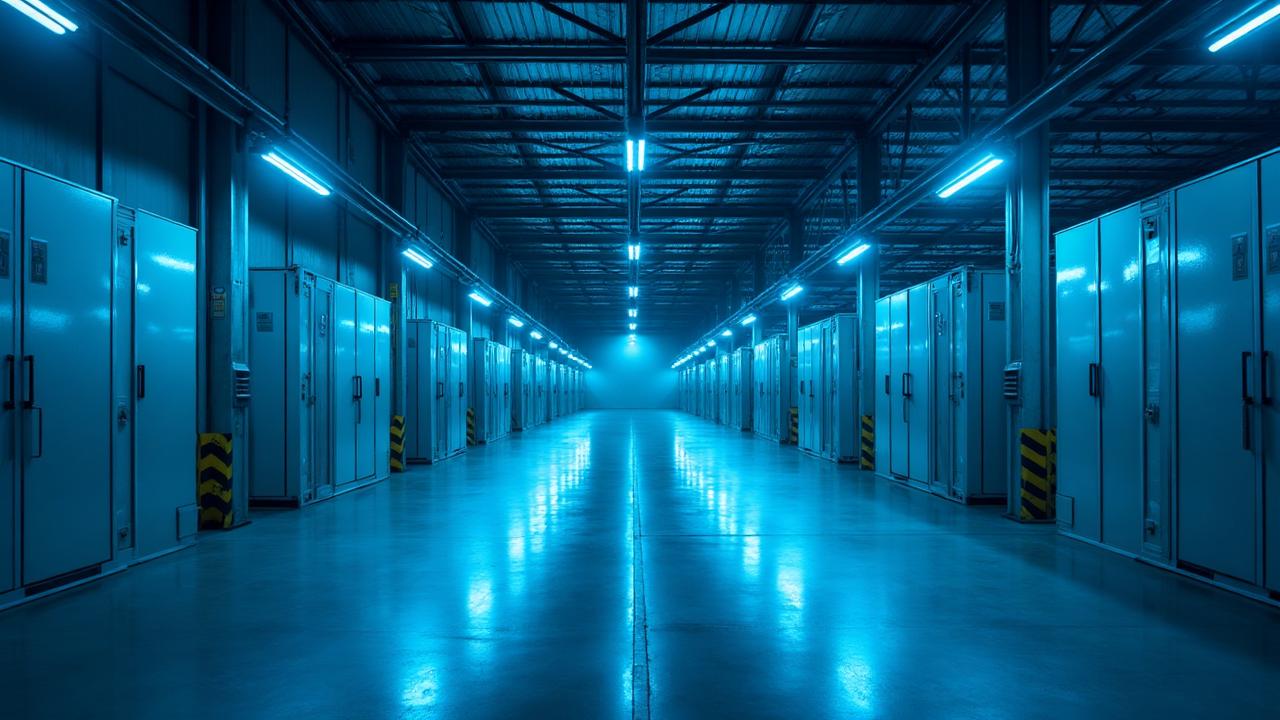
EquipmentLeasing
Capacity when you need it. Certainty while you plan.
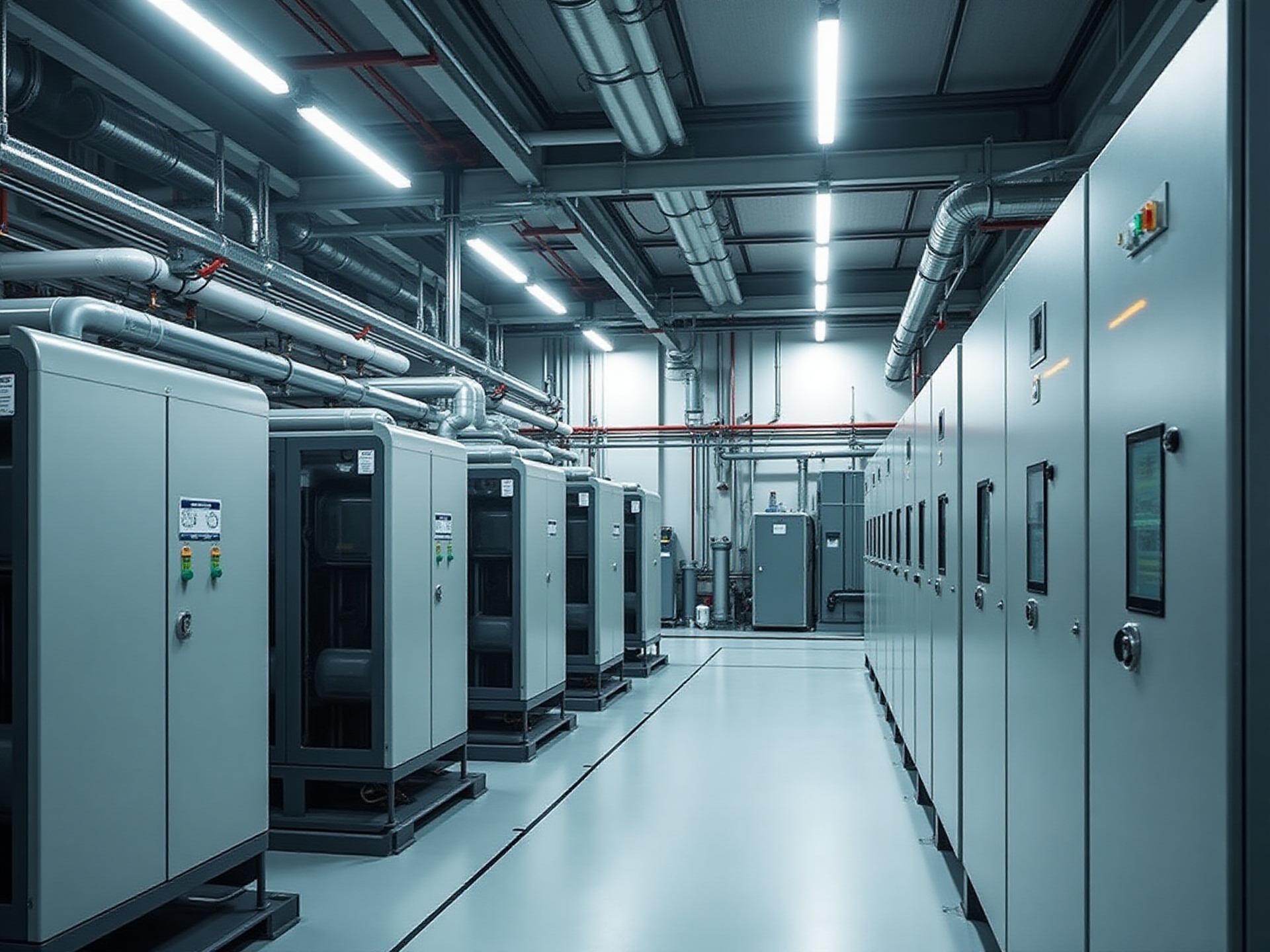
Engineered refrigeration plant leasing to maintain operations, manage risk and support staged transition.
Discuss Equipment LeasingThere are times when purchasing refrigeration equipment outright is not the right solution.
Where leasing adds value
- maintain production during major failures or remediation
- provide temporary capacity during upgrades or expansions
- support staged transition from ageing or high-risk plant
- defer or restructure capital expenditure where appropriate
- manage seasonal or short-term capacity requirements
KEY CAPABILITIES
Short- and Long-term Leasing
Flexible leasing arrangements to support emergency response, planned works or extended transitional periods.
Wet and Dry Lease Options
Plant supplied with or without operational support, depending on site capability, risk profile and duration.
Engineered System Integration
Temporary plant configured and integrated to operate safely and reliably within existing systems and controls.
Emergency Capacity Deployment
Rapid mobilisation of leased equipment to protect product, maintain compliance and stabilise operations during critical events.
Transitional Plant Strategies
Leased equipment used to bridge the gap between failure or obsolescence and permanent engineered replacement.
Technical Oversight and Support
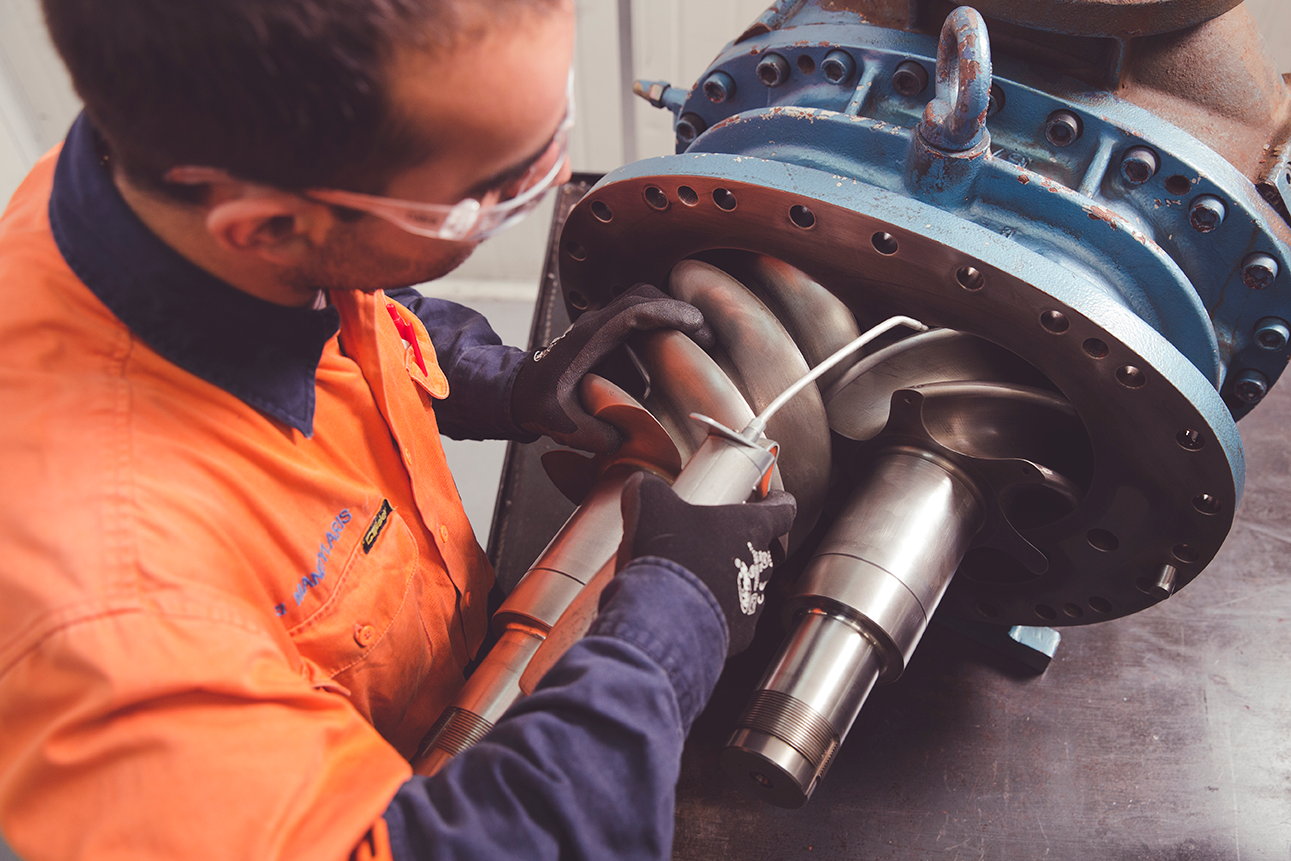
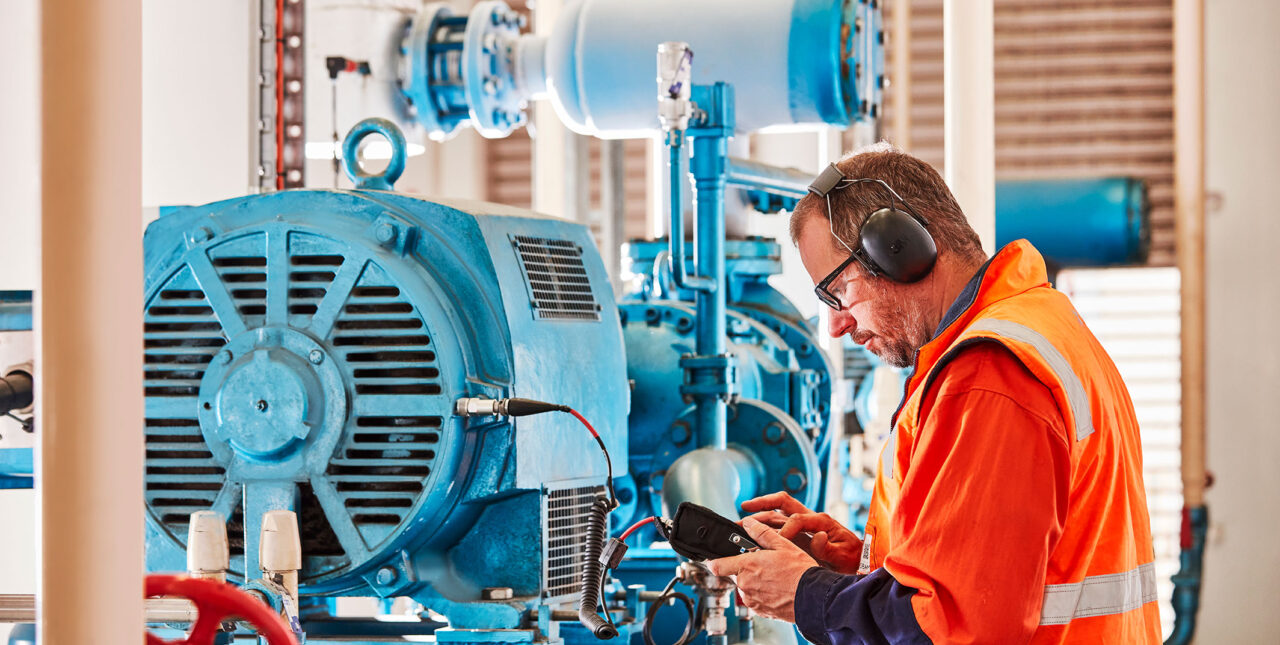
Engineering and technical oversight to ensure leased plant operates correctly and does not compromise long-term system integrity.
HOW WE DELIVERLEASING SERVICES
Equipment leasing is most effective when it is applied deliberately. Leasing is never treated as a substitute for proper engineering. It is a tool to create time, stability and optionality — not an endpoint.
Technically appropriate for the duty
Leased plant is selected to match the specific operational requirements.
Safely integrated
Temporary plant is integrated safely into existing systems and controls.
Aligned with compliance
Leased equipment meets operational and compliance requirements.
Supports informed decisions
Leasing creates time and stability for better long-term decisions.
Not a substitute for engineering
Leasing supports, rather than replaces, proper engineered solutions.
Creates optionality
Temporary solutions provide flexibility while permanent strategies are developed.
LIFECYCLE INTEGRATION
Equipment Leasing supports multiple stages of the refrigeration lifecycle. It is commonly integrated with:
- 24×7 Breakdown Response, to stabilise operations following major failures
- Project Delivery, to maintain continuity during construction or staged upgrades
- Audits & Optimisation, where interim solutions are required while permanent strategies are developed
- Design & Engineering, to inform long-term plant configuration based on real operating conditions
WHY TRI TECH REFRIGERATION
Clients engage Tri Tech Refrigeration for equipment leasing because we understand the operational and engineering implications of temporary plant. We provide:
LET'S TALK
REFRIGERATION
If you need temporary capacity, are managing a major failure or want to maintain operations while planning permanent upgrades, we can help.
Talk to us about equipment leasing and how to use temporary solutions to protect production, manage risk and support long-term decision-making.