SUSTAINABILITY
Balanced, lifecycle-optimised refrigeration solutions
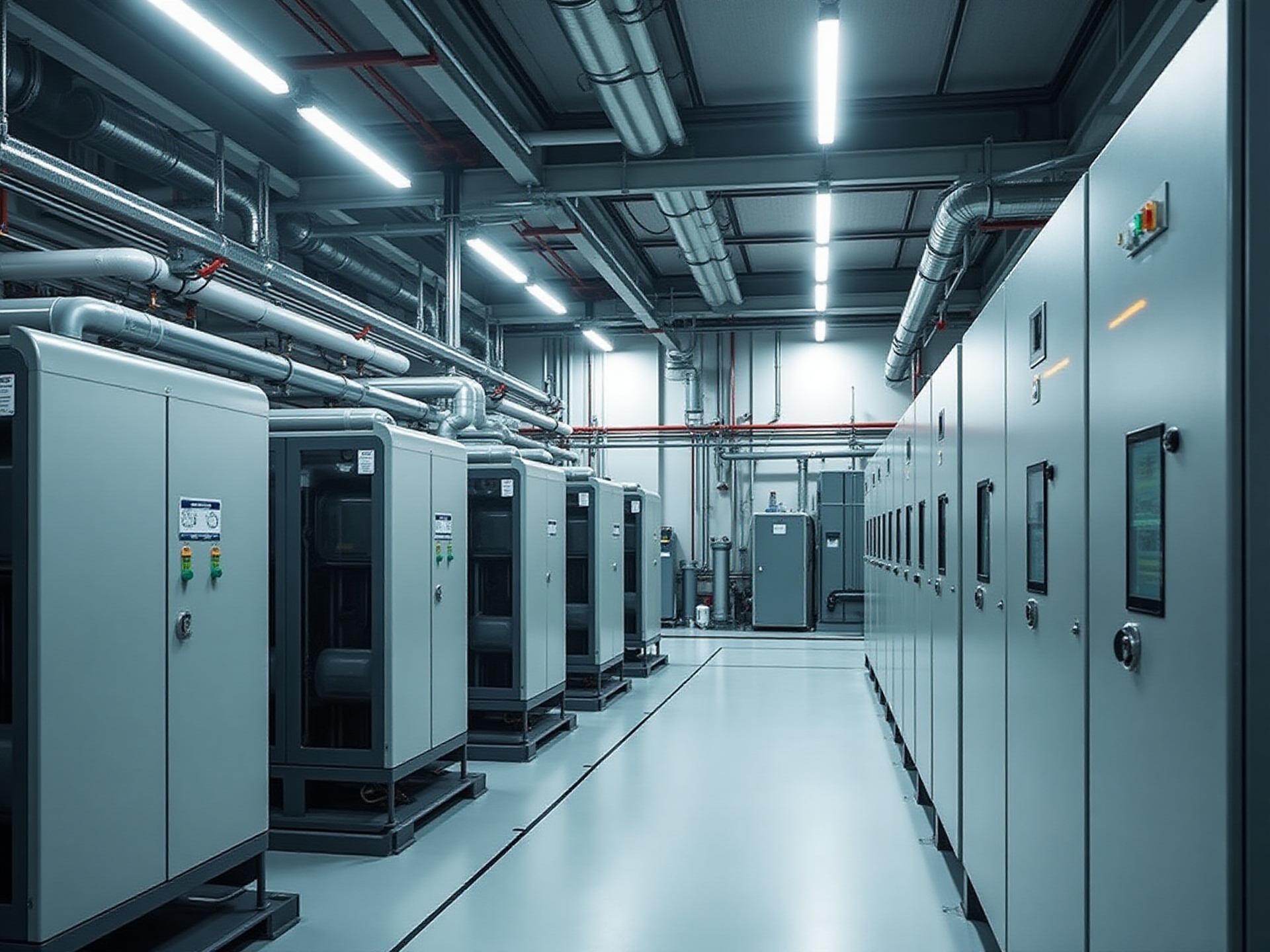
Engineering-led decisions that balance safety, performance, energy efficiency and lifecycle value across complex industrial systems.
Talk to Us About SustainabilitySustainability in industrial refrigeration is not achieved through a single technology or ideology.
It is the result of fit-for-purpose engineering decisions that balance safety, performance, energy efficiency, operability, scalability, cost and environmental impact across the full lifecycle of a system.
At Tri Tech Refrigeration, sustainability means delivering systems that perform reliably for decades, consume less energy, reduce environmental impact and achieve the lowest total cost of ownership. That outcome is driven by balanced design, intelligent technology selection and disciplined operation — supported by the engineering depth required to deliver and sustain those decisions in practice.
That perspective has been shaped by more than 35 years designing, delivering and standing behind complex industrial refrigeration systems across their full lifecycle.
WHAT SUSTAINABILITYMEANS IN PRACTICE
A sustainable industrial refrigeration system is one that has been engineered to:
Environmental performance, safety and economics are not competing objectives. When systems are engineered correctly, they reinforce one another.
Achieving these outcomes consistently requires engineering capability across design, delivery and long-term operation — not just advisory input or downstream servicing.
MECHANICAL LONGEVITY &LIFECYCLE PERFORMANCE
Sustainability in industrial refrigeration is not achieved by energy efficiency alone. It is equally determined by how a system ages.
Plants designed around narrow optimisation windows, high operating speeds or highly constrained architectures may deliver short-term efficiency gains but often do so at the expense of mechanical life, serviceability and long-term flexibility. Over time, increased wear, reduced tolerance to load variation and limited upgrade pathways can erode both performance and value.
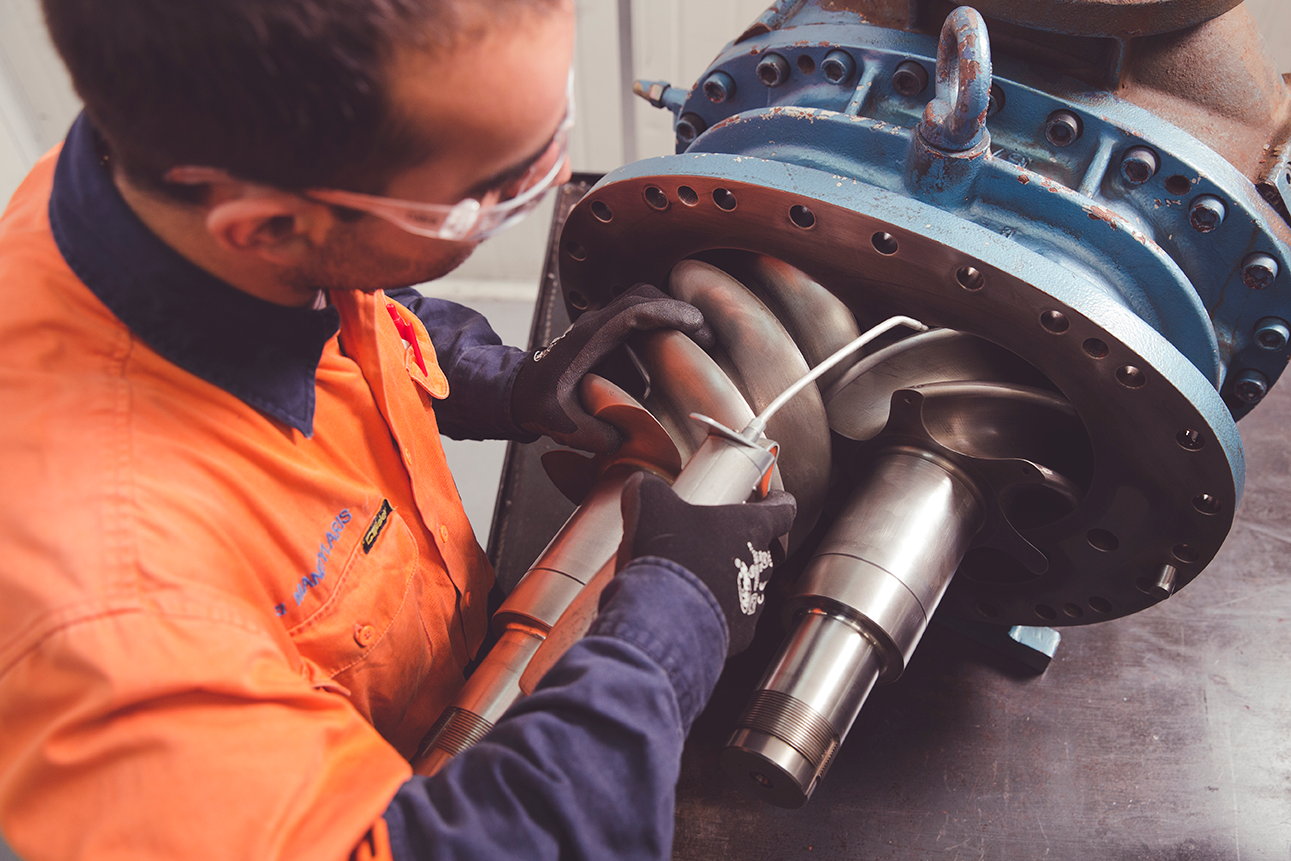
True sustainability considers how equipment operates year after year, not just how it performs at commissioning. Mechanical robustness, operating margins, service access and component longevity all play a decisive role in determining whether a system delivers reliable performance for decades rather than requiring premature intervention or replacement.
In some applications, this lifecycle-first approach has led us to develop proprietary system solutions, such as our Katabatic product range, where standard market offerings do not adequately balance efficiency, robustness and long-term serviceability.
REFRIGERANTS, SYSTEMARCHITECTURE & BALANCE
Natural refrigerants such as ammonia (NH₃) and carbon dioxide (CO₂) are, in most industrial applications, the best overall solution when assessed across environmental impact, energy efficiency, safety and lifecycle cost.
With modern system architectures — including low-charge ammonia designs — natural refrigerant systems can deliver excellent thermodynamic efficiency, very low global warming impact and high levels of operational safety. For most clients, most of the time, this results in the lowest total cost over the life of the plant while also being environmentally superior.
Natural refrigerants are not adopted for ideology. They are selected because, when engineered properly, they work.
Refrigerant choice does not exist in isolation. System architecture, compressor selection and operating profile have a direct impact on mechanical life, reliability and long-term sustainability.
These architectural decisions are foundational. They cannot be retrofitted through servicing alone, and they demand integrated engineering capability from the outset.
In some applications, pursuing minimum refrigerant charge through tightly optimised direct expansion (DX) systems or high-speed reciprocating compressors can introduce increased wear, reduced mechanical life or long-term operational constraints. These outcomes may undermine sustainability when considered across the full lifecycle of the plant.
Our approach is to balance refrigerant strategy with mechanical longevity, serviceability and operational resilience — selecting architectures that support stable operation, long plant life and future flexibility over decades, not just at commissioning.
ELECTRIFICATION &INDUSTRIAL HEAT PUMPS
The industrial sector is undergoing a structural transition driven by decarbonisation, energy markets and regulation.
Electrification is increasingly central to this shift, particularly as industries move toward a post-gas operating environment.
Tri Tech Refrigeration is a national leader in large-scale industrial heat pump systems, delivering solutions that recover, upgrade and reuse heat across industrial processes, space heating and hot water generation.
When integrated into broader refrigeration systems, industrial heat pumps can materially reduce gas dependence, leverage renewable electricity and improve whole-of-site energy efficiency — without compromising operational performance, controllability or reliability.
That capability reflects decades of pioneering, industry-leading industrial refrigeration engineering — delivering complex, high-consequence systems end-to-end, not simply supporting assets engineered by others.
Delivering these outcomes reliably depends on disciplined engineering, accurate load assessment and system design that reflects how plants actually operate over time.
INTELLIGENT DESIGN &SYSTEM RIGHT-SIZING
Sustainability is often won or lost at the design stage — which is why our Design & Engineering capability plays a central role in delivering sustainable outcomes.
Correct system architecture, equipment selection and right-sizing have a greater impact on long-term performance than almost any other decision. Oversized systems waste energy and capital. Undersized systems compromise reliability and asset life. Over-optimised systems can lack resilience and adaptability.
Through our Design & Engineering capability, we focus on:
- Accurate load assessment based on real operating conditions
- Appropriate redundancy and staging strategies
- Scalable system layouts
- Control philosophies aligned with long-term operation
The result is systems that perform efficiently across their full operating envelope and remain fit for purpose as conditions change.
MAINTENANCE, RENEWAL &LIFECYCLE STEWARDSHIP
Long-term sustainability is only realised when design intent is carried through into operation, maintenance and renewal.
Even the best-designed system will not remain sustainable without the right maintenance and renewal strategy.
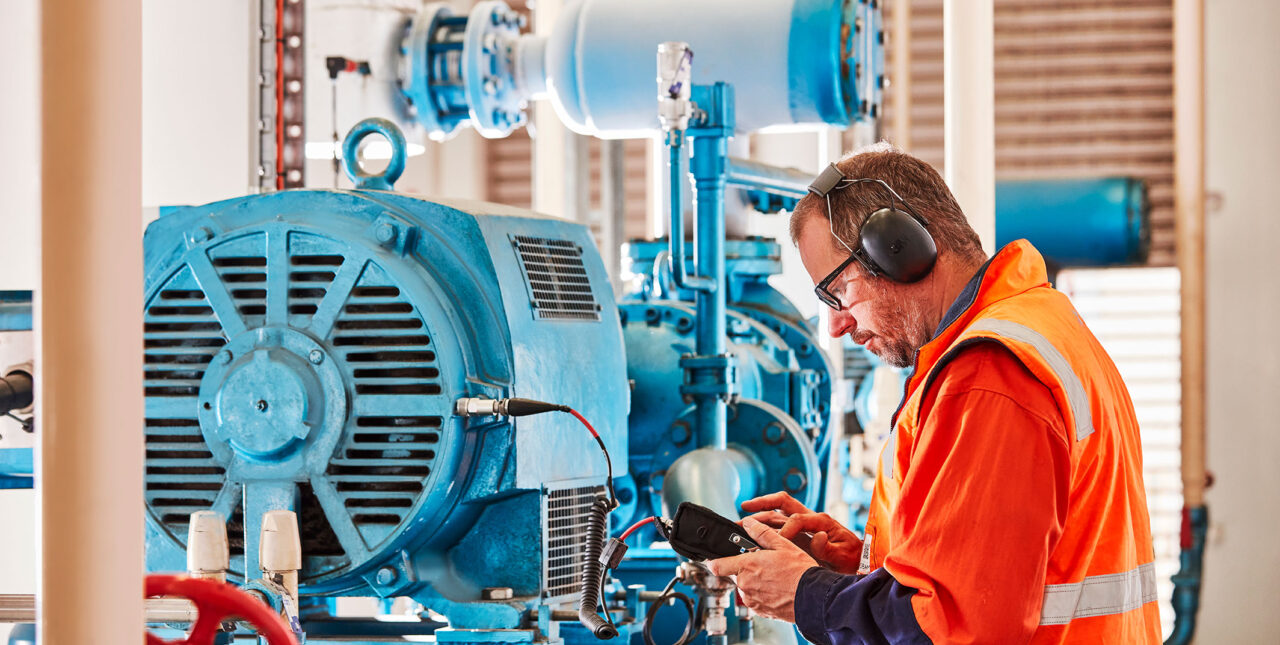
Operational discipline, condition-based maintenance and planned renewal play a critical role in sustaining energy efficiency, managing safety risk and extending asset life.
Through Servicing & Maintenance, we keep critical plants running safely, reliably and efficiently over the long term.
When failures do occur, our 24×7 Breakdown Response is not about short-term recovery at any cost. We prioritise technically sound repairs and recovery actions that address root causes, protect system integrity and support long-term sustainability — not temporary fixes that create future risk.
AUDITS, OPTIMISATION &CONTINUOUS IMPROVEMENT
Sustainability is not static. Operating conditions change, production demands evolve and energy markets shift.
Through our Audits & Optimisation services, we help clients proactively improve performance, efficiency and resilience — often extending asset life and deferring unnecessary capital replacement.
In many cases, meaningful sustainability and cost improvements can be achieved without wholesale plant replacement.
These activities close the loop between design intent, operational reality and long-term performance.
BALANCED ENGINEERINGEND-TO-END
Sustainability is not a standalone objective. It is the outcome of balanced engineering decisions made across design, delivery, operation and optimisation — with accountability maintained end-to-end.
Our approach is to select and integrate the right technologies, architectures and operating strategies for each application — not over-engineered and not under-specified — to maximise long-term performance, resilience and value.
Many organisations participate in parts of the refrigeration lifecycle; our role is to own it end-to-end.
WHY TRI TECH REFRIGERATION
Clients choose Tri Tech Refrigeration because we combine engineering judgement, delivery capability and lifecycle stewardship in one business. We deliver sustainable outcomes through:
The result is industrial refrigeration systems that perform today, remain relevant tomorrow and deliver value for many years to come.
SUSTAINABLE
REFRIGERATION
If you're planning a new facility, transitioning away from gas, upgrading existing assets or reassessing your long-term refrigeration strategy, we can help you evaluate the options objectively and design a solution that delivers sustainable performance and lifecycle value.
Talk to us about sustainable refrigeration solutions.
Discuss Sustainability